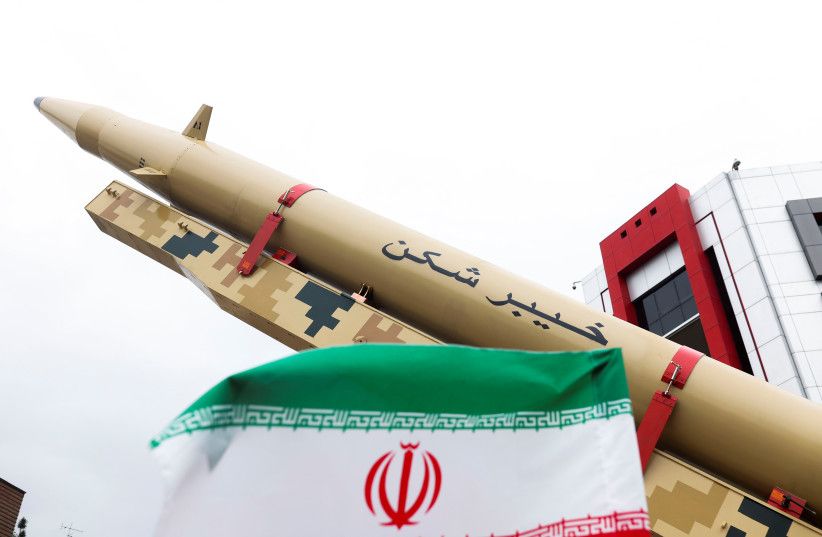
The escalation of geopolitical friction in 2026 has entered a terminal phase defined by Strategic Brinkmanship in Nuclear Diplomacy and Regional Conflict, as the United States maneuvers to permanently dismantle Iran’s enrichment capabilities. The recent imposition of total secondary sanctions by the U.S. Treasury has effectively severed the remaining arteries of the Iranian financial system, pushing the rial into a hyperinflationary spiral. This economic assault is synchronized with a massive U.S. naval buildup in the Persian Gulf, where two carrier strike groups currently maintain a permanent station to deter any Iranian interference with global energy transit. The Iranian leadership has responded by accelerating its underground enrichment activities at Fordow, signaling that it will not capitulate to external pressure regardless of the domestic cost. This standoff represents the most significant risk to global stability in the current decade, as both parties view the current impasse as an existential struggle for regional hegemony.
Systematic Currency Devaluation and Central Bank Instability

The Iranian rial has reached a point of functional obsolescence, currently trading at 1.6 million units per U.S. dollar on the open market as of February 2026. This collapse is not merely a market fluctuation but a deliberate outcome of the U.S. strategy of financial strangulation designed to exhaust Tehran’s foreign exchange reserves. The Central Bank of Iran (CBI) has attempted to stabilize the currency through aggressive gold auctions and interest rate hikes, but these measures have failed to restore public confidence. Consequently, the Iranian economy is undergoing a rapid “dollarization,” where the U.S. dollar serves as the primary unit of account for all significant private transactions, further undermining the state’s monetary sovereignty.
The depletion of the National Development Fund of Iran has left the government with few options to bridge the massive fiscal deficit, leading to the printing of money at an unsustainable rate. This has resulted in a liquidity crisis that has paralyzed industrial production, as firms cannot secure the hard currency needed for raw materials and machinery. The resulting stagflation is exacerbated by the loss of oil revenue connectivity through the global SWIFT system, forcing Iran to rely on high-risk, high-discount barter arrangements with its few remaining trade partners.
Digital Infrastructure Suppression and Economic Contraction
To manage the rising domestic dissent caused by the economic collapse, the Iranian state has implemented a policy of “digital isolation”, utilizing intermittent internet blackouts and the systematic throttling of encrypted communication platforms. These measures, while effective at disrupting protest coordination, have inflicted a projected $27 billion loss on the Iranian digital economy by the first quarter of 2026. The tech sector, once a source of pride and economic diversification, is now experiencing a mass exodus of software engineers and entrepreneurs fleeing to regional hubs like Dubai or Istanbul.
The degradation of the national information network (NIN) has created a bifurcated digital landscape where state-approved services function while global platforms remain inaccessible. This technological regression has crippled the logistics and fintech sectors, making it nearly impossible for small and medium enterprises to operate efficiently. The persistent disruption of international bandwidth serves as a physical manifestation of the regime’s priority: maintaining internal security at the direct expense of modern economic development.
Strategic Brinkmanship in Nuclear Diplomacy and Regional Conflict
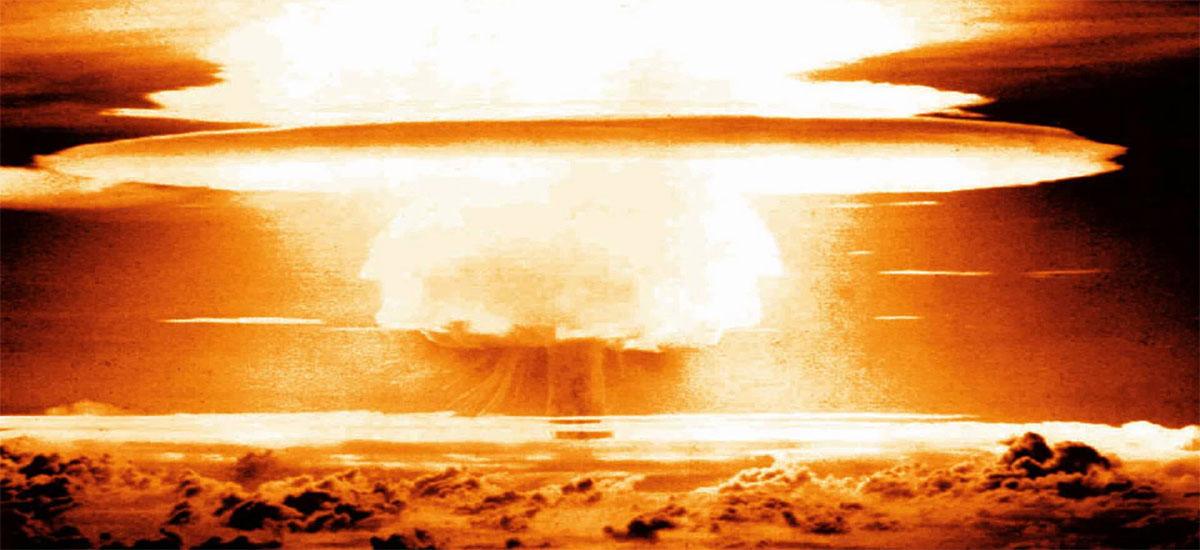
The current phase of Strategic Brinkmanship in Nuclear Diplomacy and Regional Conflict is characterized by a “low-boil” kinetic environment in the Levant and the Persian Gulf. Iran’s reliance on asymmetric naval warfare tactics, including the deployment of fast-attack craft and “kamikaze” drone swarms, serves as a counterweight to the conventional superiority of the U.S. Fifth Fleet. Washington has responded by integrating AI-driven surveillance drones throughout the Strait of Hormuz to detect and neutralize Iranian mine-laying operations before they can disrupt shipping lanes. This technological arms race increases the probability of a tactical miscalculation that could trigger a full-scale regional conflict.
Diplomatic channels in the realm of Nuclear Diplomacy remain largely frozen, as Washington insists on a comprehensive agreement that encompasses missile restrictions and halts support for the “Axis of Resistance.” Tehran interprets these demands as a framework for regime change and has instead embraced a “Look to the East” strategy, deepening military ties with Russia and China. This trilateral partnership, extending beyond Nuclear Diplomacy, has enabled the transfer of advanced electronic warfare systems to Iran, complicating U.S. efforts to maintain air superiority in any potential strike against nuclear facilities at Natanz or Isfahan.
Hyperinflation and the Eradication of the Middle Class

The social contract in Iran has fundamentally fractured as the annual inflation rate surpasses 44 percent, with basic food staples increasing by over 70 percent in the last twelve months. This hyperinflationary environment has led to the evisceration of the Iranian middle class, whose savings have been rendered worthless by the rial’s freefall. The government’s decision to eliminate subsidies on fuel and wheat in late 2025 was the catalyst for the current wave of nationwide strikes, which have now spread to the critical oil and petrochemical sectors.
The growing poverty rate, now affecting over 60 percent of the population, has created a humanitarian crisis that the state is unable to mitigate. The collapse of the healthcare system’s procurement chain has resulted in a chronic shortage of life-saving medications, particularly for cancer and insulin-dependent patients. This domestic desperation is a key component of Strategic Brinkmanship in Nuclear Diplomacy and Regional Conflict, as the U.S. calculates that the Iranian regime will be forced to choose between regional projection and domestic survival as the threat of a popular uprising grows.
Proxy Financing vs. Domestic Fiscal Deficits
Despite the catastrophic state of its internal economy, the Iranian Revolutionary Guard Corps (IRGC) continues to allocate billions of dollars to its regional proxy network. This funding is maintained through a complex web of front companies and illicit oil sales that operate outside the formal budget. The persistence of this funding, even as Iranian citizens face bread lines, highlights the regime’s belief that its strategic depth in Lebanon, Syria, and Yemen is its only true defense against foreign intervention. The U.S. has attempted to disrupt these flows through targeted sanctions on the “Hezbollah finance network”, but the decentralized nature of these transactions makes them difficult to fully neutralize.
The Iranian ballistic missile program remains a top priority for state spending, with new solid-fuel variants being tested in the Semnan province. These tests are timed to coincide with diplomatic milestones, serving as a reminder of Iran’s capability to strike U.S. assets and allies throughout the Middle East. The dichotomy between the regime’s advanced military technology and its failing public infrastructure is the defining characteristic of modern Iran. This internal tension is the primary driver of the current Strategic Brinkmanship in Nuclear Diplomacy and Regional Conflict, as the international community waits to see which will break first: the regime’s ideological resolve or the Iranian people’s capacity for endurance.
As the deadline for the “snapback” of all remaining UN sanctions approaches in late 2026, the potential for a negotiated settlement is narrowing. The U.S. deployment of B-2 Spirit bombers to Diego Garcia underscores the seriousness of the military option. Simultaneously, Iran’s unrestricted production of 60% enriched uranium suggests that it is prepared to reach the nuclear threshold if its demands for permanent sanctions relief are not met. The path toward de-escalation requires a fundamental shift in the security architecture of the Middle East, a prospect that remains unlikely given the deep-seated mistrust between the primary actors.