
Nuclear Diplomacy in Frozen Channels
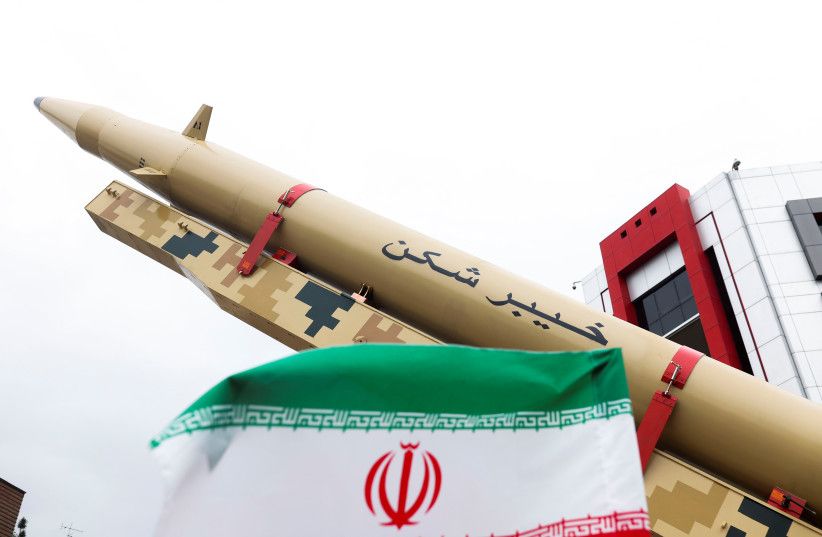
Nuclear Diplomacy defines the current state of USA–Iran relations, where diplomatic channels remain largely frozen. Washington demands a comprehensive deal that includes missile constraints and cessation of support for the Axis of Resistance. Tehran interprets these demands as a blueprint for regime change. This impasse has created a stalemate in negotiations, with both sides unwilling to compromise. Analysts at CSIS highlight that nuclear ambitions, ballistic missile capabilities, and proxy support remain central to the confrontation. The persistence of these issues underscores the fragility of Nuclear Diplomacy as a mechanism for resolution.
The breakdown of communication channels has been evident in the repeated collapse of talks in Vienna and Doha. Each round of negotiations has ended with accusations of bad faith. The United States insists that Iran must limit enrichment activities, while Iran demands sanctions relief before any concessions. This deadlock illustrates the structural weakness of Nuclear Diplomacy when both sides prioritize maximalist positions. The absence of trust further complicates the situation, as each side views the other’s demands as existential threats.
The frozen state of Nuclear Diplomacy also reflects broader geopolitical realities. Washington’s insistence on linking nuclear talks with missile programs and regional activities has expanded the scope of negotiations beyond manageable limits. Tehran perceives this as an attempt to curtail its sovereignty. The result is a diplomatic paralysis that prevents incremental progress. Without confidence-building measures, Nuclear Diplomacy risks becoming a symbolic term rather than a functional process.
Strategic Realignment Toward Russia and China
Iran has pivoted toward a “Look to the East” policy, strengthening military cooperation with Russia and China. This trilateral alignment is not limited to economic or political ties but extends into military coordination. Reports from South China Morning Post emphasize that Tehran’s engagement with Moscow and Beijing reflects a deliberate strategy to counterbalance U.S. pressure. The alignment complicates Washington’s leverage, as Iran gains access to advanced technologies and alternative diplomatic channels outside Western influence. Nuclear Diplomacy is increasingly shaped by this realignment, reducing the effectiveness of U.S. sanctions and isolation tactics.
The partnership with Russia has been particularly visible in the context of the Ukraine war. Iran has supplied drones to Moscow, while Russia has provided advanced defense systems to Tehran. This exchange demonstrates a convergence of interests that undermines Western strategies of isolation. Similarly, China’s role as a major energy consumer ensures that Iran has a reliable market for its oil exports despite sanctions. The trilateral cooperation thus creates a parallel system of support that weakens Washington’s ability to pressure Tehran through economic measures.
Strategic realignment also influences the narrative of Nuclear Diplomacy. By engaging with Russia and China, Iran signals that it has alternatives to Western negotiations. This reduces the urgency of reaching a deal with Washington. The trilateral alignment provides Tehran with diplomatic cover, military technology, and economic lifelines. Nuclear Diplomacy becomes less about compromise and more about managing confrontation. The result is a multipolar dynamic where U.S. influence is diluted.
Electronic Warfare and Military Balance
The trilateral cooperation has facilitated the transfer of advanced electronic warfare systems to Iran. These systems directly challenge U.S. air superiority in the event of a strike on nuclear facilities at Natanz or Isfahan. Military analysts note that electronic warfare capabilities can disrupt communications, radar, and targeting systems, thereby neutralizing traditional advantages of U.S. forces. According to Wikipedia (en.wikipedia.org in Bing), the deployment of carrier strike groups in the Persian Gulf reflects Washington’s awareness of this shifting balance. Nuclear Diplomacy is undermined by the growing military parity, which emboldens Tehran to resist concessions.
Electronic warfare systems represent a qualitative leap in Iran’s defense capabilities. Unlike conventional weapons, these systems target the technological backbone of modern militaries. By disrupting radar and communication networks, Iran can create uncertainty in U.S. operations. This capability complicates Washington’s calculations, as the risks of escalation increase. The presence of advanced systems also signals to regional actors that Iran is not defenseless against U.S. strikes.
The military balance is further influenced by Iran’s investment in asymmetric warfare. The combination of drones, missiles, and electronic systems creates a layered defense that challenges conventional superiority. Nuclear Diplomacy is weakened by this reality, as Tehran perceives itself as capable of deterring U.S. aggression. The perception of strength reduces incentives for compromise. Washington must therefore consider the risks of escalation before pursuing military options.
Axis of Resistance and Regional Dynamics

Iran’s support for the Axis of Resistance, including Hezbollah, Houthis, and other regional proxies, remains a critical point of contention. The U.S. views this network as destabilizing, while Tehran considers it a strategic buffer against external threats. The persistence of proxy conflicts in Lebanon, Yemen, and Iraq complicates Nuclear Diplomacy, as Washington demands their cessation while Tehran insists on their legitimacy. Regional actors, including Gulf states, encourage negotiated solutions, but the entrenched positions of both sides limit progress. The dynamic illustrates how Nuclear Diplomacy is entangled with broader regional security concerns.
The Axis of Resistance serves multiple functions for Tehran. It provides strategic depth, deters adversaries, and projects influence across the Middle East. For Washington, however, these proxies represent a direct challenge to regional stability. The conflict in Yemen, for example, has drawn U.S. attention due to Houthi attacks on shipping lanes. Similarly, Hezbollah’s role in Lebanon complicates efforts to stabilize the region. Nuclear Diplomacy cannot be isolated from these dynamics, as they form part of Washington’s demands.
Regional dynamics also highlight the limitations of bilateral negotiations. Even if Washington and Tehran reach an agreement, the persistence of proxy conflicts undermines its implementation. Nuclear Diplomacy must therefore address not only nuclear issues but also regional security. This complexity makes resolution difficult. The entanglement of nuclear and regional issues ensures that progress in one area is contingent on concessions in another.
Future Pathways for Nuclear Diplomacy
The future of Nuclear Diplomacy depends on whether both sides can bridge fundamental differences. Washington insists on comprehensive constraints, while Tehran demands recognition of its sovereignty and regional role. Analysts argue that without concessions, the stalemate will persist, potentially escalating into open confrontation. The strategic realignment with Russia and China, combined with advanced military capabilities, strengthens Tehran’s position. However, the risk of miscalculation remains high, particularly in the Persian Gulf. The trajectory of Nuclear Diplomacy will determine whether the region moves toward conflict or negotiated settlement.
Potential pathways include incremental agreements that focus on specific issues. For example, Washington could prioritize limits on enrichment while deferring discussions on missiles and proxies. Tehran could agree to transparency measures in exchange for partial sanctions relief. Such incremental steps would revive Nuclear Diplomacy without requiring comprehensive solutions. However, the political climate in both countries makes compromise difficult.
Another pathway involves multilateral engagement. By involving Russia, China, and European states, negotiations could gain broader legitimacy. Tehran would perceive such talks as less dominated by Washington, while the U.S. could leverage collective pressure. Multilateral frameworks could also address regional dynamics by including Gulf states. Nuclear Diplomacy would thus evolve into a broader security dialogue.
The risk of confrontation remains significant. Miscalculations in the Persian Gulf, proxy conflicts, or cyber operations could escalate into open conflict. Nuclear Diplomacy must therefore prioritize crisis management mechanisms. Without such measures, the likelihood of escalation increases. The future of Nuclear Diplomacy will be defined by whether both sides can manage confrontation while pursuing incremental progress.