

Climate Litigation Reshaping International Law now functions as a central driver of legal doctrine across courts, treaties, and institutional mandates. States, corporations, and international bodies increasingly treat climate harm as a rights violation, a security risk, and a breach of transboundary obligation. What began as domestic environmental lawsuits has evolved into a coordinated global legal movement redefining sovereignty, responsibility, and enforcement.
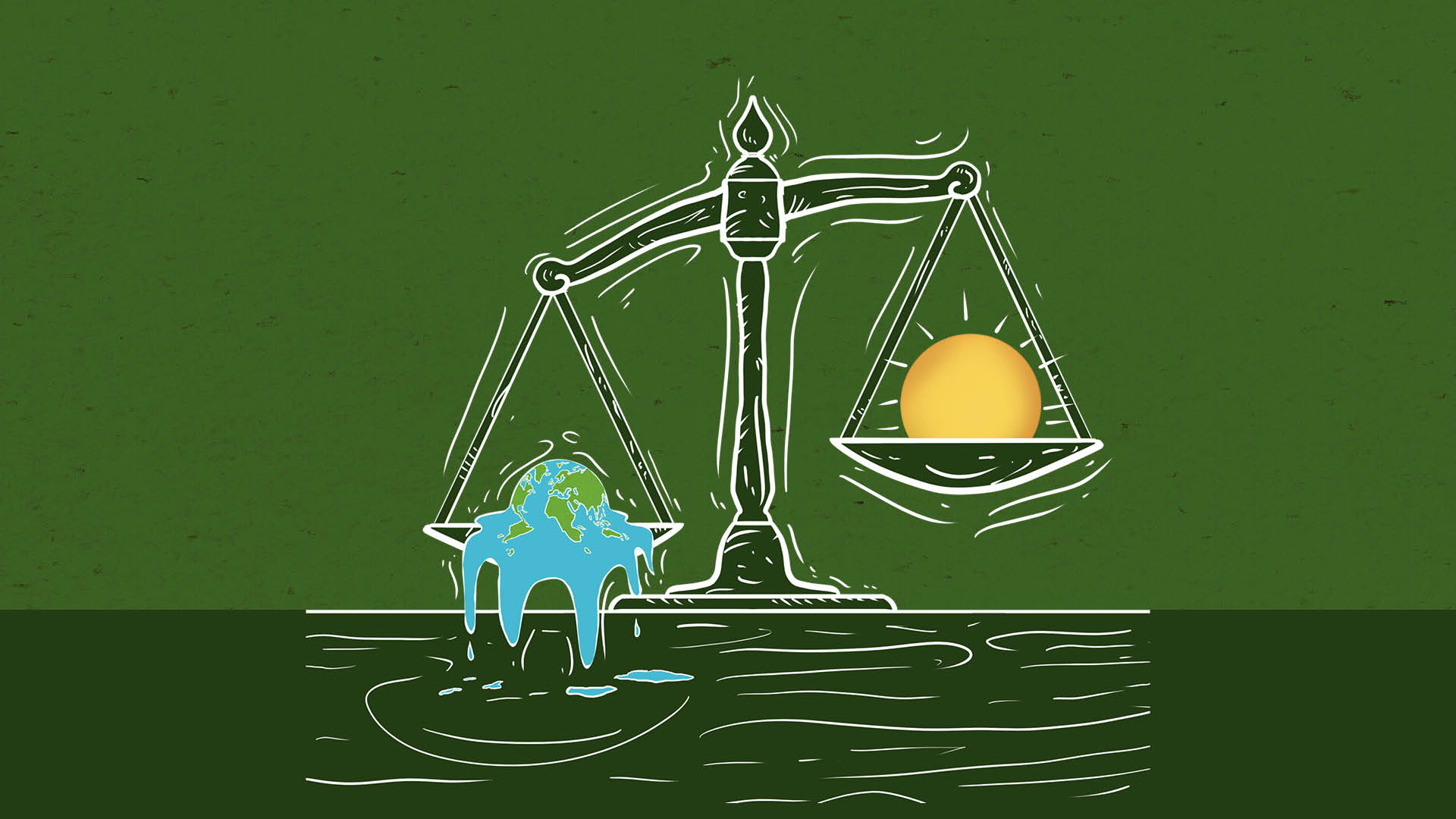
Global Surge in Climate-Based Legal Claims
From Environmental Regulation to Rights Enforcement
Early climate cases focused on regulatory compliance. Modern litigation frames climate damage as a violation of human rights, intergenerational equity, and international obligations under instruments like the Paris Agreement. Courts now assess emissions not only against policy targets but against legally enforceable duties of care.
The landmark Dutch ruling in the Urgenda Foundation v. Netherlands established that insufficient climate action breaches the European Convention on Human Rights. This decision triggered similar rights-based claims across Europe, Latin America, and Asia.
Corporate accountability expanded when the Hague District Court ordered Royal Dutch Shell to cut emissions in Milieudefensie v. Shell, treating corporate climate impact as a legal responsibility rather than a voluntary ESG commitment.
Litigation as a Regulatory Substitute
Where political systems stall, courts now operate as de facto climate regulators. Judges compel emissions reductions, mandate policy reforms, and impose disclosure requirements. This judicial intervention fills governance gaps in states lacking enforceable climate legislation.
Litigation databases such as the Sabin Center Climate Change Litigation Database show exponential growth in climate cases, spanning constitutional courts, international tribunals, and administrative agencies.
International Courts Enter the Climate Arena
The ICJ Advisory Opinion Movement
In response to advocacy led by Pacific island nations, the United Nations General Assembly requested an advisory opinion from the International Court of Justice on states’ obligations regarding climate change. This process aims to clarify whether failure to reduce emissions violates international law principles such as no-harm, due diligence, and human rights protections.
If the ICJ affirms binding duties, climate inaction could become an internationally wrongful act triggering reparations.
ITLOS and the Law of the Sea
The International Tribunal for the Law of the Sea issued an advisory opinion recognizing greenhouse gas emissions as marine pollution under the UN Convention on the Law of the Sea. This interpretation expands state responsibility for climate harm affecting oceans, fisheries, and coastal nations.
States now face potential claims for failing to regulate emissions contributing to sea-level rise and ocean acidification.
Regional Human Rights Courts
The European Court of Human Rights now hears multiple climate cases alleging rights violations tied to heatwaves, floods, and ecosystem collapse. Similar actions advance through the Inter-American human rights system.
Climate risk increasingly qualifies as a foreseeable harm triggering positive state obligations to protect life and health.
Climate Change as a Breach of International Obligations
The No-Harm Principle Reapplied
Customary international law prohibits states from causing significant transboundary harm. Climate litigation reframes emissions as a continuous cross-border injury rather than a diffuse global problem.
Scientific attribution models now link specific emissions to measurable damages, enabling plaintiffs to demonstrate causal responsibility with unprecedented precision.
Institutions like the Intergovernmental Panel on Climate Change provide evidentiary foundations that courts increasingly accept.
Due Diligence Standards Tighten
States must now demonstrate active prevention, regulation, and mitigation of climate harm. Passive commitments no longer suffice.
Failure to implement credible emissions reductions increasingly qualifies as negligence under evolving international standards.
Loss and Damage Liability
Developing states push legal recognition of climate loss and damage compensation, building on frameworks adopted at UN climate negotiations. Litigation aims to transform political funds into enforceable financial obligations.
Corporate Responsibility Under International Law
From Voluntary ESG to Legal Duty
Corporations once addressed climate risk through nonbinding sustainability reports. Courts now impose enforceable emissions reductions and climate risk disclosure.
Investor lawsuits increasingly rely on securities law for misleading climate risk statements, as seen in regulatory actions by bodies like the U.S. Securities and Exchange Commission.
Supply Chain Emissions Liability
Companies face legal exposure not only for direct emissions but for value-chain impacts. European due diligence laws impose mandatory climate compliance across suppliers.
Failure to monitor or reduce Scope Three emissions now triggers litigation risk.
Climate Harm as Tort Liability
Courts explore whether fossil fuel producers can be held liable for public nuisance, negligence, and unjust enrichment due to climate impacts.
Cities and states pursue compensation for infrastructure damage, disaster response, and health costs linked to climate change.
Sovereignty, Security, and Climate Law
Climate as a Security Threat
Rising seas threaten state territory, maritime boundaries, and resource rights. International law now confronts scenarios where nations risk physical disappearance.
Institutions including the United Nations Security Council increasingly treat climate instability as a conflict multiplier.
Legal frameworks evolve to protect displaced populations and preserve maritime claims even if land territory becomes uninhabitable.
Refugee and Migration Law Expansion
Climate displacement challenges the traditional definition of refugees under the 1951 Refugee Convention.
Courts begin recognizing environmental harm as grounds for non-refoulement where return would expose individuals to life-threatening climate conditions.
Treaty Interpretation Shifts
Environmental protection increasingly influences how courts interpret trade, investment, and development treaties.
Arbitration panels now weigh climate commitments when assessing state regulatory actions affecting foreign investors.
Future Architecture of Climate Governance
Binding International Climate Obligations
Soft law commitments steadily convert into enforceable duties through judicial interpretation.
Advisory opinions, rights jurisprudence, and state practice collectively harden climate norms into customary international law.
The Rise of Transnational Climate Enforcement
Litigation crosses borders. Plaintiffs sue multinational corporations in home jurisdictions for overseas environmental damage.
Jurisdictional doctrines expand to address global supply chains and planetary harm.
Climate Law as Core International Law
Climate obligations now intersect with:
- Human rights law
- Law of the sea
- Trade and investment law
- Humanitarian law
- State responsibility doctrine
Climate change no longer occupies a niche regulatory domain. It restructures the foundation of international legal order.
Climate Litigation Reshaping International Law in Practice
Judicial Norm Creation
Courts actively generate new legal standards where treaties remain vague or politically constrained.
Judicial reasoning transforms scientific thresholds into legal duties.
Power Shift from Diplomacy to Adjudication
Negotiation failure pushes climate governance into courtrooms.
Legal accountability replaces voluntary cooperation.
Enforcement Through Precedent
Each ruling strengthens the normative framework, enabling faster and broader legal action across jurisdictions.
Long-Term Consequences for Global Governance
States
- Exposure to international liability
- Mandatory emissions compliance
- Reparations for climate harm
Corporations
- Enforceable climate duties
- Supply chain regulation
- Litigation-driven decarbonization
International Institutions
- Expanded jurisdiction
- Climate-centered legal doctrine
- Judicialized environmental governance
The Structural Transformation of International Law
Climate change now functions as a systemic legal catalyst.
Traditional doctrines of sovereignty yield to shared planetary responsibility.
Causation standards evolve through climate science.
Human rights jurisprudence absorbs environmental protection.
Corporate law integrates planetary risk.
International law shifts from state-centered diplomacy to harm-based accountability.
Strategic Outlook
Climate litigation will continue expanding due to:
- Scientific attribution advances
- Political gridlock
- Escalating climate damage
- Judicial willingness to innovate
The legal system increasingly becomes the primary climate enforcement mechanism.
Climate Litigation Reshaping International Law is not a temporary trend. It is the structural evolution of global legal order under environmental pressure.
Key Developments to Monitor
- ICJ advisory opinion outcomes
- Expansion of loss and damage claims
- Corporate climate liability precedents
- Human rights climate jurisprudence
- Transboundary emissions litigation
Final Synthesis
Climate change has moved from environmental policy into the core of international legal obligation.
Courts now define climate responsibility.
States face enforceable duties.
Corporations confront binding liability.
International law evolves through climate harm adjudication rather than treaty negotiation.
Climate Litigation Reshaping International Law marks the transition from voluntary climate governance to compulsory legal accountability.
The legal architecture of the twenty-first century will be built through climate cases, not climate conferences.