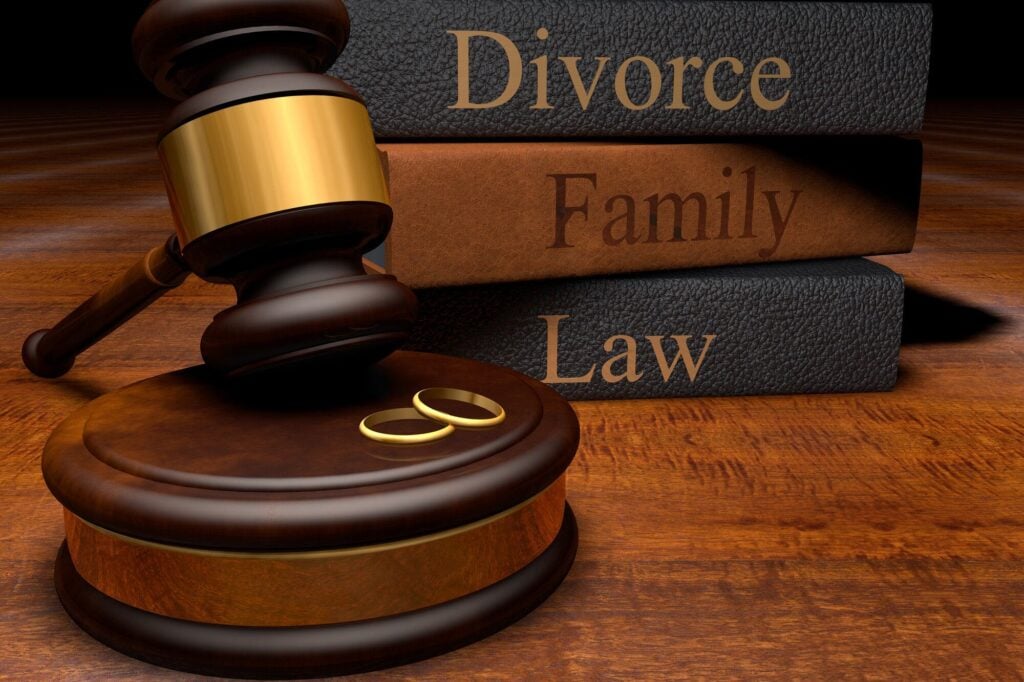

Criminal law is the architecture of accountability. It is the system a society builds to declare, with clarity and conviction, that certain behaviors cross the boundary of acceptable conduct. When someone steals, assaults, defrauds, or destroys, criminal law steps forward as both shield and sword—shield for the public, sword against wrongdoing.
It is not merely a collection of statutes tucked away in dense legal codes. It is a living framework that shapes safety, order, and justice. Though courtrooms and legal jargon may seem intimidating, the underlying principles of criminal law are surprisingly logical. At its core, criminal law answers three questions: What conduct is forbidden? Who is responsible? And what happens next?
Understanding the fundamentals removes the mystique. It replaces fear with knowledge. And knowledge, in matters of law, is power.
What Is Criminal Law and Why It Matters
Criminal law governs actions that are considered offenses against society as a whole. Unlike civil disputes—where two private parties argue over money or property—criminal cases involve the state prosecuting an individual. The reasoning is simple: certain acts are so disruptive that they threaten the social fabric itself.
Imagine a community without consequences for theft or violence. Chaos would metastasize. Trust would erode. Markets would falter. Criminal law exists to prevent that unraveling.
At its most basic level, criminal law defines prohibited behavior. These prohibitions are codified in statutes enacted by legislatures. Murder, robbery, fraud, arson, and assault are familiar examples. But criminal law also addresses less obvious offenses, such as insider trading, cybercrime, and identity theft—infractions that reflect the evolution of society and technology.
Criminal law matters because it does three essential things:
- Deters misconduct. The threat of punishment discourages unlawful behavior.
- Punishes wrongdoing. Those who violate the law face consequences proportionate to the offense.
- Protects the public. Removing dangerous individuals from society enhances collective safety.
There is also a moral dimension. Criminal law expresses societal condemnation. When a person is convicted, the judgment carries not just legal weight but moral censure. It is a public declaration that certain lines must not be crossed.
And yet, criminal law is not designed to be vindictive. Ideally, it strives for equilibrium. It balances accountability with fairness. It tempers authority with rights.
Without criminal law, order dissolves. With it, society aspires to justice.
Key Elements of a Crime Intent, Act, and Harm

Not every bad outcome is a crime. For conduct to qualify as criminal, specific elements must be proven. These elements form the backbone of every prosecution.
In simple terms, most crimes require three core components: a guilty mind, a guilty act, and resulting harm. Legal scholars often use Latin terminology—mens rea and actus reus—but the concepts are straightforward.
1. The Guilty Mind: Intent
Intent refers to a person’s mental state at the time of the act. Did the individual deliberately commit the offense? Was the conduct reckless? Negligent? Accidental?
Intent exists on a spectrum. At one end lies purposeful conduct—premeditated, deliberate, calculated. At the other lies criminal negligence, where a person fails to exercise reasonable care and causes harm.
For example:
- Intentionally setting fire to a building demonstrates clear criminal intent.
- Carelessly discarding a lit cigarette in a dry forest may constitute reckless behavior.
- Causing harm through unavoidable accident, however, typically lacks criminal intent.
The mental state matters enormously. It often determines both guilt and severity of punishment.
2. The Guilty Act: Conduct
Thoughts alone are not crimes. The law punishes actions.
There must be a voluntary act—an overt behavior that violates the statute. This could be a physical act, such as striking someone, or an omission when there is a legal duty to act, such as failing to provide care for a dependent child.
The act must be voluntary. Reflexes, involuntary spasms, or actions performed under duress complicate the analysis. Criminal law scrutinizes whether the accused had meaningful control over their conduct.
3. Harm or Consequence
Most crimes require proof that harm occurred or was intended to occur. Harm may be physical, financial, or societal.
Some offenses are considered crimes even if no tangible harm materializes. Attempted crimes, for instance, may be prosecuted even when the plan fails. The law intervenes not only to respond to damage but to prevent it.
To secure a conviction, prosecutors must prove these elements beyond a reasonable doubt. That standard is intentionally high. It reflects the seriousness of criminal punishment and the value placed on individual liberty.
Without intent, act, and harm, the case collapses. Together, they construct the edifice of criminal responsibility.
Felony vs Misdemeanor Understanding the Levels of Offenses
Not all crimes carry equal weight. The legal system distinguishes between varying levels of severity, most commonly felonies and misdemeanors.
This classification determines potential penalties, procedural rights, and long-term consequences.
Misdemeanors: Lesser Offenses
Misdemeanors are generally considered less serious crimes. Examples include petty theft, minor assault, trespassing, and certain traffic violations.
Punishments often include:
- Short-term jail sentences, typically less than one year
- Fines
- Probation
- Community service
Though labeled “minor,” misdemeanors should not be dismissed casually. A conviction can create a criminal record, impact employment prospects, and affect housing applications.
Felonies: Serious Crimes
Felonies represent the gravest offenses—crimes that threaten significant harm to individuals or society. Murder, rape, armed robbery, large-scale fraud, and drug trafficking typically fall into this category.
Penalties may include:
- Long-term imprisonment
- Substantial fines
- Parole restrictions
- In extreme cases, life imprisonment
Felony convictions often carry enduring ramifications. Voting rights may be restricted. Professional licenses may be revoked. Immigration status may be jeopardized.
The distinction between felony and misdemeanor is not arbitrary. It reflects the magnitude of harm, the intent involved, and the societal interest in deterrence.
Some jurisdictions even recognize intermediate categories, such as gross misdemeanors or wobbler offenses that can be charged as either, depending on circumstances.
Severity matters. Classification shapes destiny.
The Criminal Court Process From Arrest to Verdict
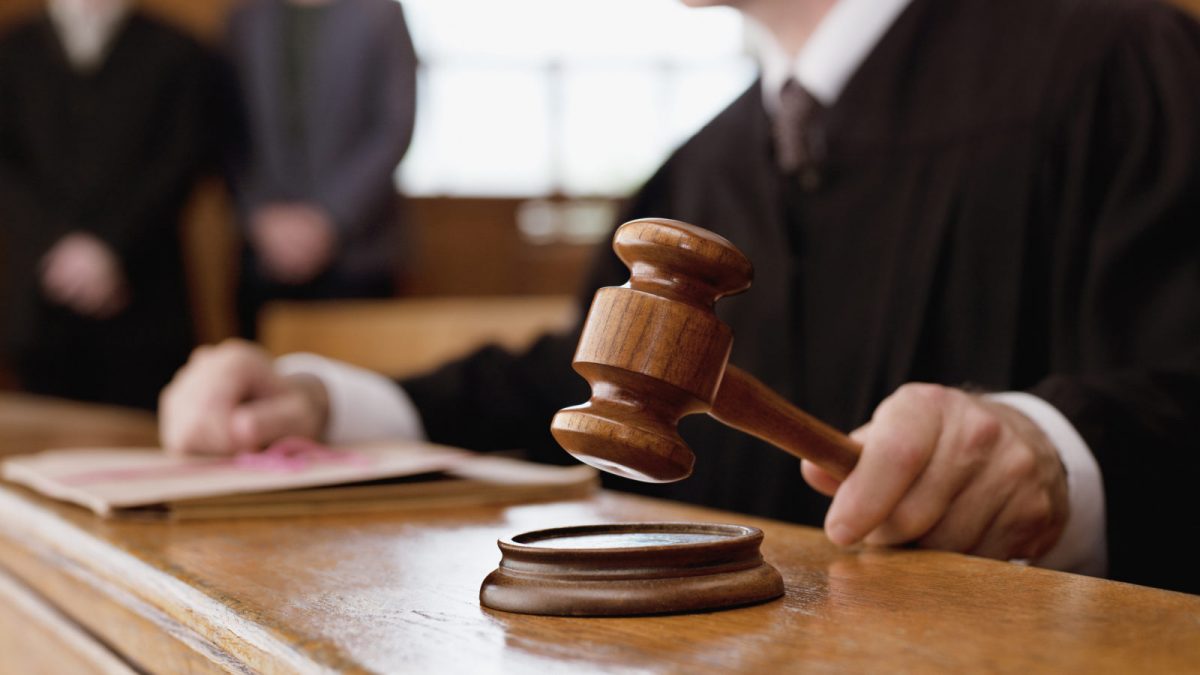
The journey through the criminal justice system follows a structured path. Though procedures vary by jurisdiction, the general progression is remarkably consistent.
1. Investigation and Arrest
The process begins with investigation. Law enforcement gathers evidence, interviews witnesses, and assesses probable cause. If sufficient grounds exist, an arrest may occur.
An arrest is not a conviction. It is the commencement of formal proceedings.
2. Charging
Prosecutors review evidence and decide whether to file charges. They determine the specific statutes allegedly violated and the level of offense.
This decision is pivotal. It shapes the trajectory of the case.
3. Arraignment
At arraignment, the accused appears before a judge and enters a plea: guilty, not guilty, or sometimes no contest.
Bail may be set at this stage. The court determines whether the defendant can remain free pending trial or must remain in custody.
4. Pretrial Proceedings
This phase includes motions, evidence exchange, and negotiations. Defense attorneys may challenge the admissibility of evidence or seek dismissal.
Many cases resolve here through plea agreements. A plea bargain allows the defendant to plead guilty to a lesser charge in exchange for reduced penalties. It conserves judicial resources and provides certainty.
5. Trial
If no plea agreement is reached, the case proceeds to trial. The prosecution bears the burden of proof. Evidence is presented. Witnesses testify. Cross-examination tests credibility.
A judge or jury evaluates the facts. The standard remains formidable: guilt must be established beyond a reasonable doubt.
6. Verdict and Sentencing
If acquitted, the defendant is released. If convicted, sentencing follows.
Sentencing considers factors such as:
- Severity of the offense
- Criminal history
- Mitigating circumstances
- Impact on victims
The process is methodical. It is designed to safeguard fairness while ensuring accountability.
Justice, ideally, unfolds through deliberation—not haste.
Your Constitutional Rights When Accused of a Crime
Criminal law does not exist solely to punish. It also protects. The Constitution enshrines safeguards to prevent governmental overreach and wrongful convictions.
When accused of a crime, individuals possess fundamental rights that form a bulwark against injustice.
The Right to Remain Silent
No one is obligated to incriminate themselves. This protection guards against coerced confessions and improper interrogation tactics.
Silence cannot legally be interpreted as guilt.
The Right to an Attorney
Every accused person has the right to legal representation. If they cannot afford counsel, one will be appointed.
An attorney ensures procedural fairness and advocates vigorously on behalf of the defendant.
The Right to a Fair and Public Trial
Transparency prevents secret proceedings and promotes accountability. Trials must be conducted impartially, before an unbiased judge or jury.
Protection Against Unreasonable Searches and Seizures
Law enforcement generally must obtain a warrant based on probable cause before conducting searches. Evidence obtained unlawfully may be excluded.
This exclusionary principle deters misconduct.
Protection Against Double Jeopardy
A person cannot be tried twice for the same offense once acquitted. Finality protects individuals from perpetual prosecution.
These rights are not technicalities. They are foundational. They preserve liberty and dignity within the criminal justice system.
Without constitutional safeguards, the machinery of prosecution could become oppressive. Rights temper power.
Possible Penalties Sentencing, Fines, and Long Term Consequences
When a conviction occurs, consequences follow. Sentencing aims to balance punishment, deterrence, rehabilitation, and societal protection.
Penalties vary widely depending on jurisdiction and offense severity.
Incarceration
Imprisonment remains one of the most severe sanctions. Its duration can range from days to decades. In some systems, parole may allow conditional early release.
Incarceration removes individuals from society, ostensibly to protect the public and deter further harm.
Fines
Financial penalties serve both punitive and deterrent functions. For some offenses—particularly economic crimes—fines may be substantial.
Courts may also order restitution, requiring offenders to compensate victims directly.
Probation
Probation permits individuals to remain in the community under strict supervision. Conditions may include regular check-ins, drug testing, employment requirements, or counseling.
Violations can result in harsher penalties.
Community Service and Rehabilitation Programs
Courts may require participation in educational or treatment programs. These measures aim to address root causes of criminal behavior.
Rehabilitation recognizes the possibility of transformation.
Long Term Consequences
Beyond formal punishment lies the enduring shadow of a criminal record. Employment opportunities may narrow. Housing applications may be denied. Professional licenses may be revoked.
For non-citizens, criminal convictions can trigger deportation proceedings.
The impact extends far beyond the courtroom.
Criminal law thus carries profound weight. It shapes futures. It alters trajectories.
Conclusion
Criminal law, stripped of mystique, is a structured system grounded in logic and principle. It defines unacceptable conduct. It demands proof of intent and action. It distinguishes levels of severity. It provides a procedural roadmap from arrest to verdict. It safeguards constitutional rights. And it imposes consequences calibrated to the gravity of wrongdoing.
Though complex in detail, its core ideas are accessible. Society cannot function without boundaries. Yet boundaries must be enforced justly.
Criminal law stands at that intersection—where order meets liberty, where accountability meets fairness, where consequence meets protection.
Understanding its basics does more than clarify legal doctrine. It empowers individuals to navigate a system that, at some point, touches nearly everyone.
In the end, criminal law is not merely about punishment. It is about balance. It is about preserving the fragile equilibrium that allows communities to flourish in safety and dignity.